Under-appreciated animals of the West
So many of our western native animal species are misunderstood and even maligned – seen as predators or inconveniences. In this series, I have highlighted some of these to draw attention to them and their plights. Many live in threatened ecosystems, face effects of prolonged drought and water-usage issues, all are being affected by climate change – and the onslaught of development in the West continues. I have used a rainbow palette of contrived colors to make people look at them and perhaps see them in a different light.
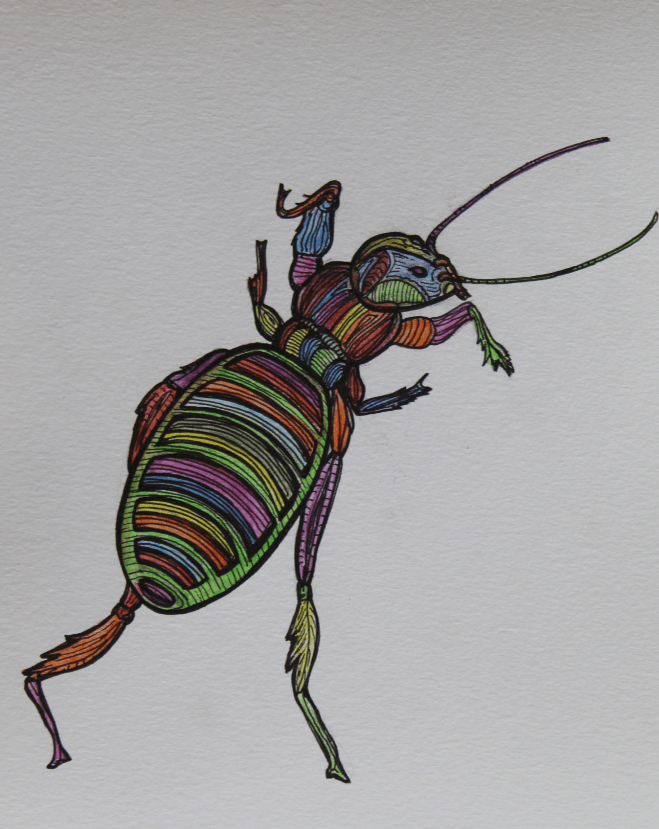
Dancing Jerusalem Cricket (above): The Jerusalem cricket is an under-appreciated western critter. They make an impressive drumbeat with their posterior to find mates. Rarely seen, they eat mostly decaying plant matter. They are food for nocturnal birds and other creatures. Saddled with nicknames like Skull cricket and Devil’s baby they frighten gardeners and can bite if bothered. But really they are just introverts who desire to be left alone to their drumming and eating. They are found, yet rarely seen, throughout the west and into Mexico.
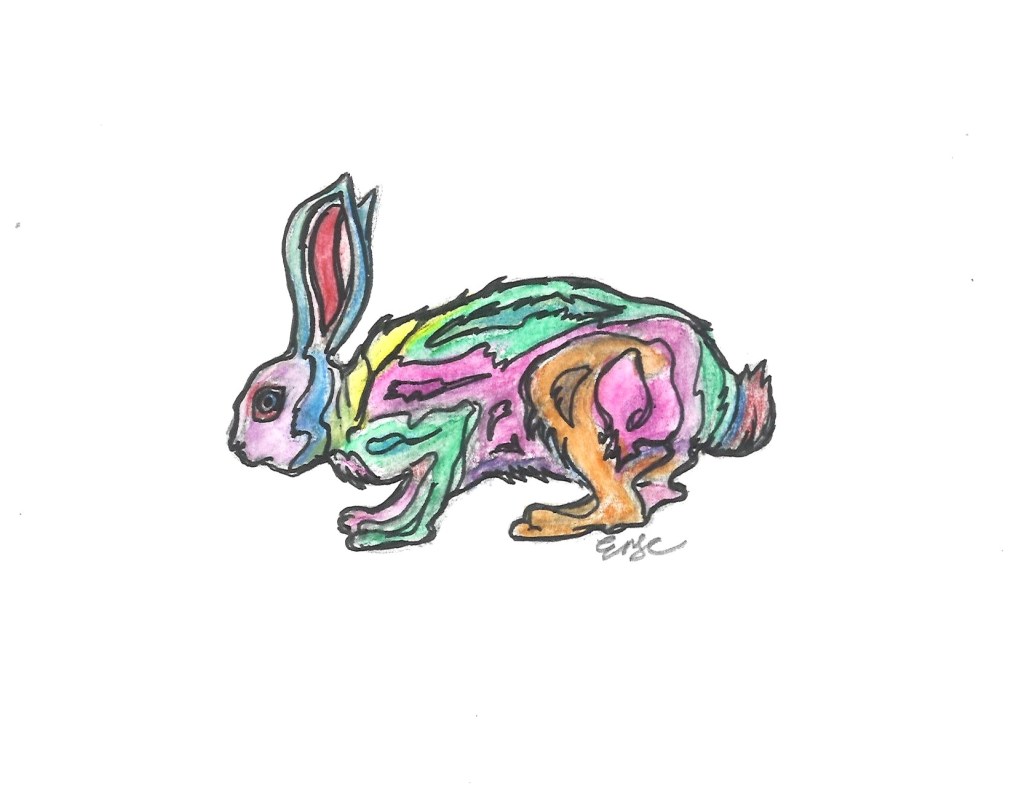
The White-tailed jackrabbit (above): Some folks love cottontail rabbits, yet are hostile to these and other jackrabbits. Long and lanky this is actually a hare. It is a favorite food of western predator species and by necessity is very fast – at a speed of up to and even over 40 mph.

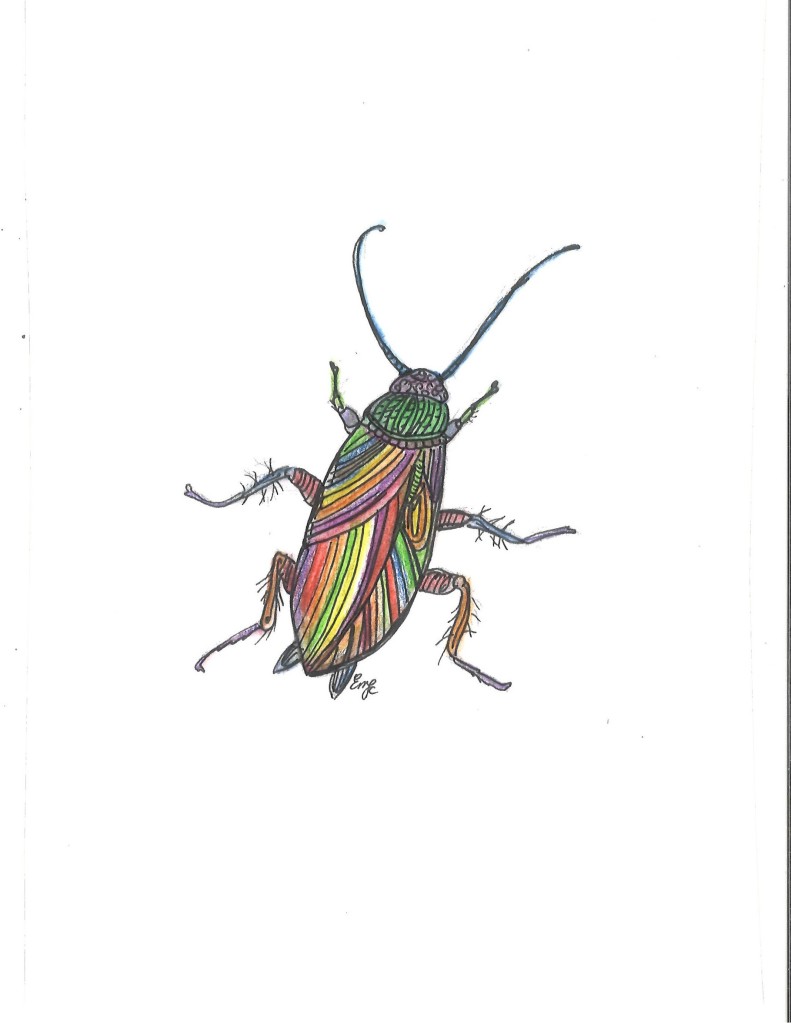
Dancing Western wood roach (above): I grappled with this pen and ink a bit. Usually I sketch animals that others don’t appreciate. But, full disclosure, I harbor a deep under-appreciation of roaches, in spite of loving all other invertebrates. This roach, however, loves the great outdoors, therefore has no desire to enter your home or mine. That, I really appreciate! Plus, Western wood roaches have important roles in the cycle of nutrients (decomposers) and as food for other wildlife.
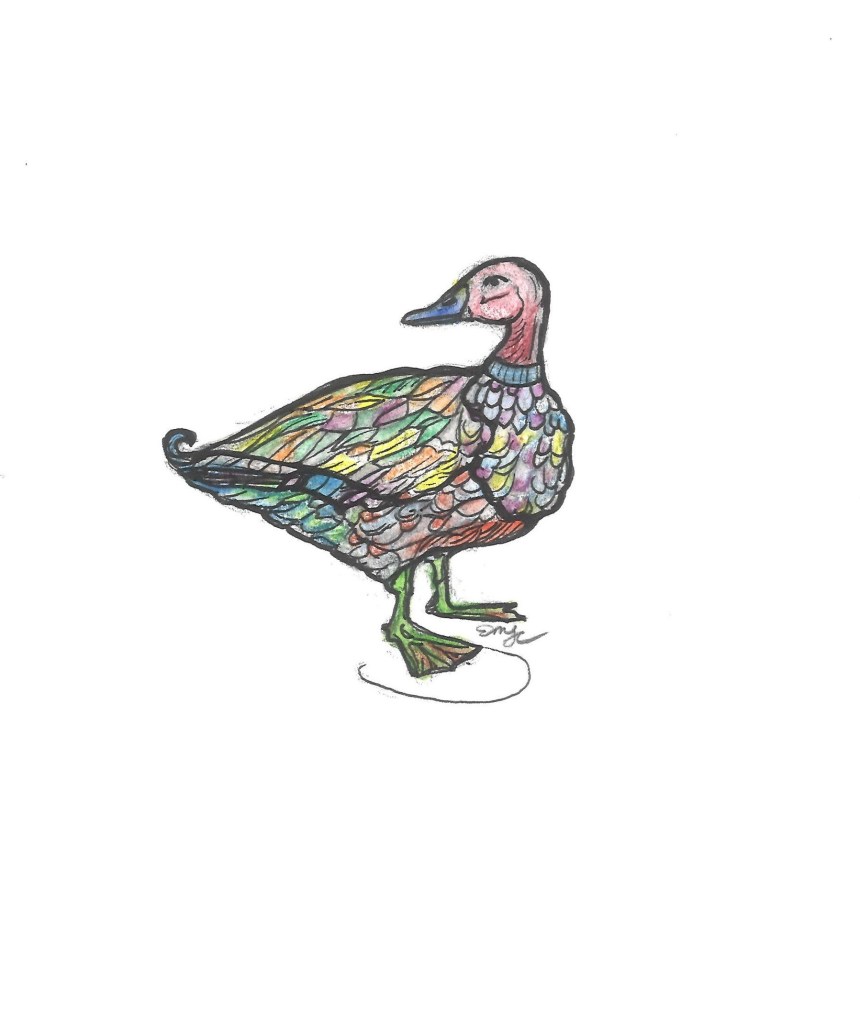
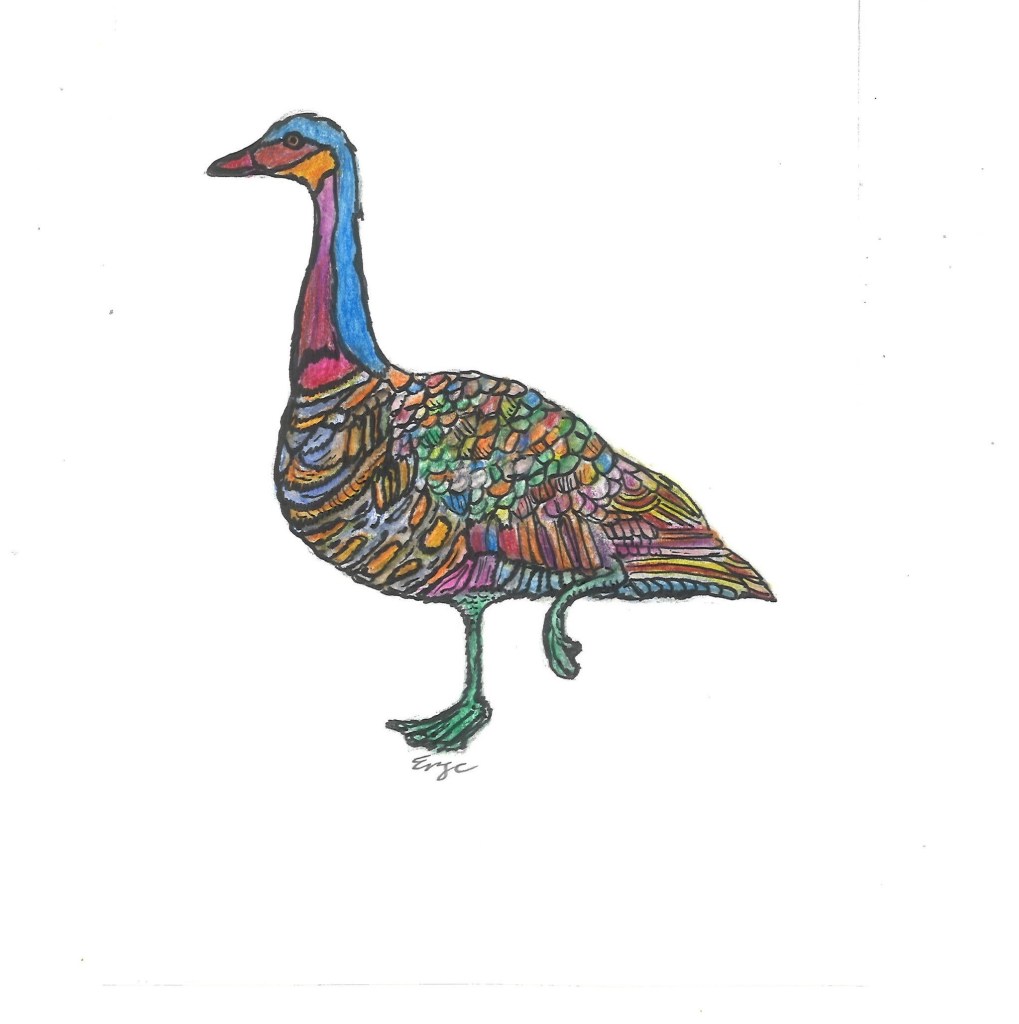
Mallards (above left) and Canada goose (above right): These ducks and geese have become so ubiquitous that they are too often ignored, or worse, harassed because they tend to make what humans see as a “mess.” But even (limited amounts of) this so-called mess can serve the role of seed disbursement and fertilizer – and the birds themselves play a role in the food chain as they are eaten by larger predators. And if humans did not overfeed them a lot of unhealthy food like old bread or snack chips especially in clustered urban areas, it would cut down on the “mess.” Plus, taking a good long look at these ducks and geese will reveal some amazing iridescent feather colors and a diversity of patterns and personalities of individuals within each species which isn’t noticeable at first glance.
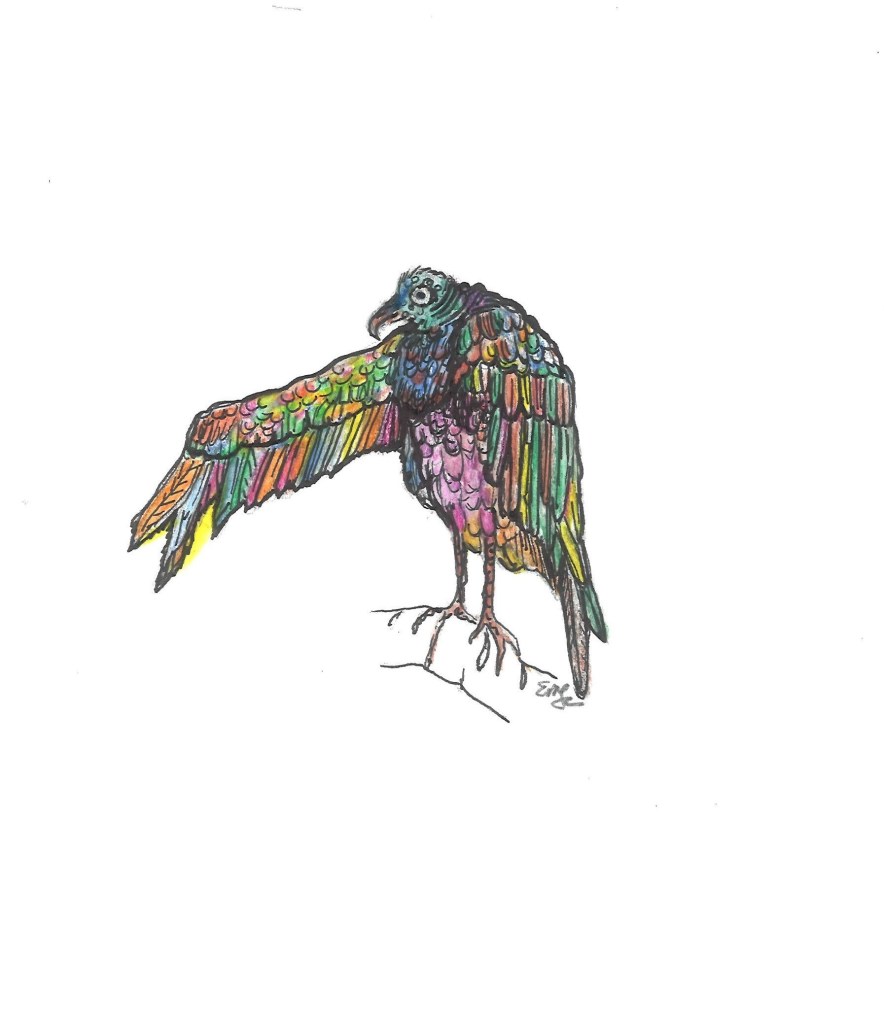
Turkey vulture (above): The ultimate clean-up crew of nature, the world would be a much dirtier place without this species. Turkey vultures have a magnificent 6-foot wingspan and look as graceful as eagles and other raptors soaring in flight. But don’t get too close since they can projectile vomit on cue for self-defense.
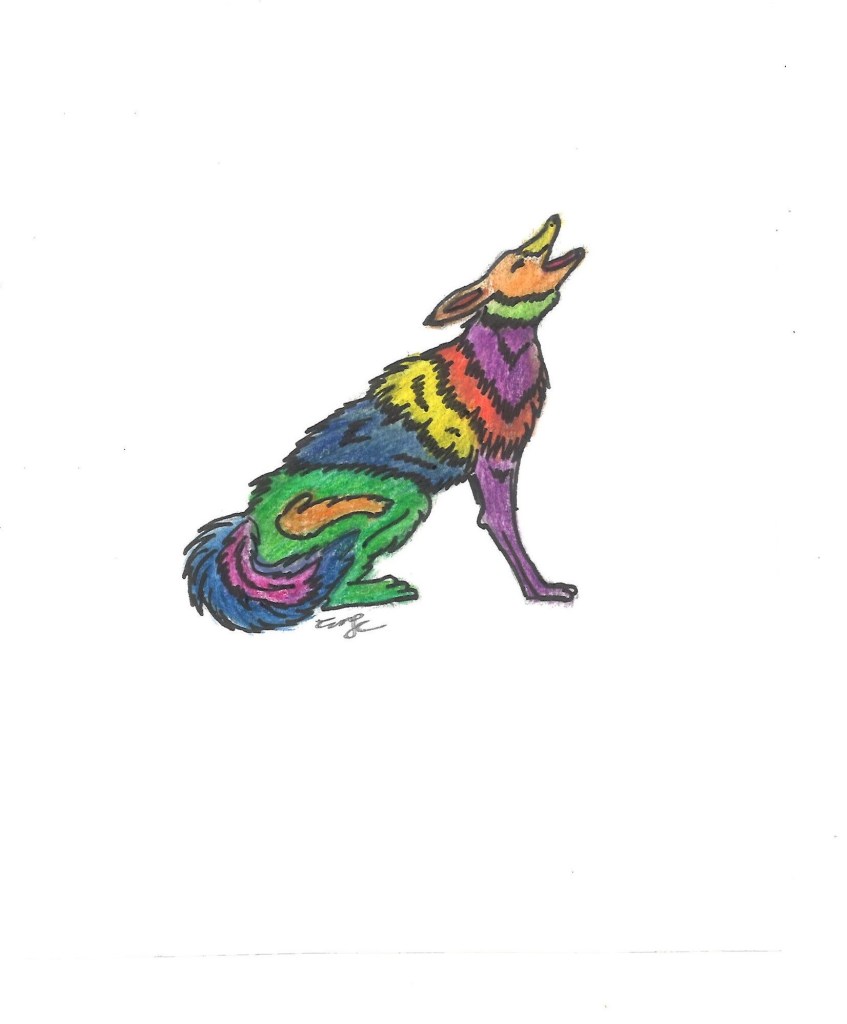
Coyote: These coyotes, from the sagebrush plateaus of the west to the urban thickets of Central Park, remind us that wild yet remains. The range of the coyote has expanded due to human habitat manipulation and interference with large predators and the food chain. The coyotes’ success is testament to their intelligence and resilience. They are after all, our beloved dogs that didn’t join the campfire. Several states have bounties on coyotes – see my journal page for a sketch of one I found earless, draped over field fence, and my thoughts on what that means for us.
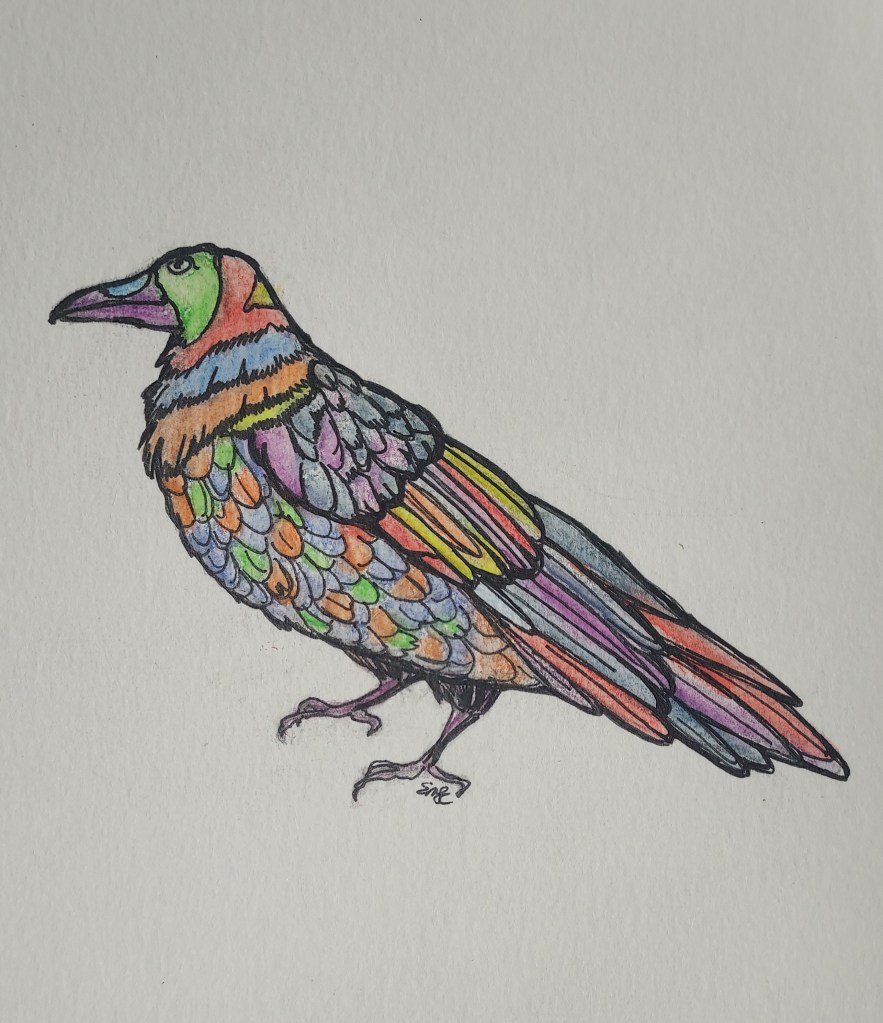
Above is the Common Raven often seen as noisy and abrasive or even a bad omen thanks to literature, fable, and horror movies. The reality is that the Raven is highly intelligent with recent research positing its cognition may rival that of the great apes.
Below is the Western Spotted Skunk. While know mostly for the smell they can emit, these omnivores are voracious predators of insects. If you ever see one of these doing a handstand…back away. This acrobatic behavior is a warning that they are feeling threatened and will probably be followed by a bad odor!

 Eileen Smith-Cavros